Integrating Blockchain Technology for Enhanced Supply Chain Transparency in Retail
Unlocking the Next Level of Retail: Blockchain-Enhanced Supply Chains
Imagine a retail world where every product has a digital history, allowing consumers to verify its origins and journey through the supply chain. This isn't a scene from a sci-fi movie; it's the next revolution in retail transparency, powered by blockchain technology. Blockchain isn't just for cryptocurrencies; it’s redefining how items are tracked from production to sale, empowering both businesses and consumers with information they can trust. Dive into how integrating blockchain can transform the retail experience with unprecedented transparency and efficiency.
Understanding Blockchain Technology in Retail
In recent years, blockchain technology has emerged as a breakthrough in managing data across multiple stakeholders. Essentially, blockchain is a digitized, decentralized, public ledger of all transactions across a network. In the retail sector, where the supply chain involves multiple checkpoints and a need for transparency, blockchain can play a transformative role.
The Need for Enhanced Supply Chain Transparency
Retail supply chains are complex structures riddled with inefficiencies due to the lack of transparency and accountability between stakeholders. Mismanaged supply chains can lead to increased costs, delayed shipments, and fraudulent activities. Moreover, consumers are becoming increasingly conscious of the origins and safety of the products they purchase, demanding more information about the products’ journey from farm to shelf.
Integrating blockchain technology into supply chain processes can effectively address these issues by providing a transparent, immutable record of all transactions. This capability significantly enhances the accuracy and security of data across the retail supply chain.
How Blockchain Enhances Supply Chain Transparency
Blockchain stands out because of its key characteristics: decentralization, immutability, and transparency. Each transaction on a blockchain is recorded with an immutable cryptographic signature called a hash. This means that once a transaction is recorded on the ledger, it cannot be altered, thus providing a secure and transparent environment.
In a retail context, blockchain can be used to create a permanent and public ledger for all transactions, from sourcing raw materials to delivering the end product to consumers. This ledger can be accessed by all parties involved in the supply chain, thereby improving visibility and compliance across the whole network.
Case Studies and Real-World Applications
Several leading retail companies have already started to implement blockchain technology to revolutionize their supply chains. For instance, Walmart has utilized blockchain to trace the origin of over 25 products from 5 different suppliers. This initiative helps Walmart ensure the authenticity and safety of its food products while enabling rapid response to any food safety crises.
Examples in Different Sectors within Retail
1. Food and Beverages: Blockchain can be utilized to track production processes and verify certifications like organic or fair-trade labels.
2. Pharmaceuticals: Fighting counterfeiting drugs is easier with blockchain. The technology can ensure the authentic drugs from manufacturing to delivery to pharmacies.
3. Apparel: As for the fashion industry, blockchain helps in verifying the authenticity of luxury goods and ensuring compliance with labor laws and environmental standards.
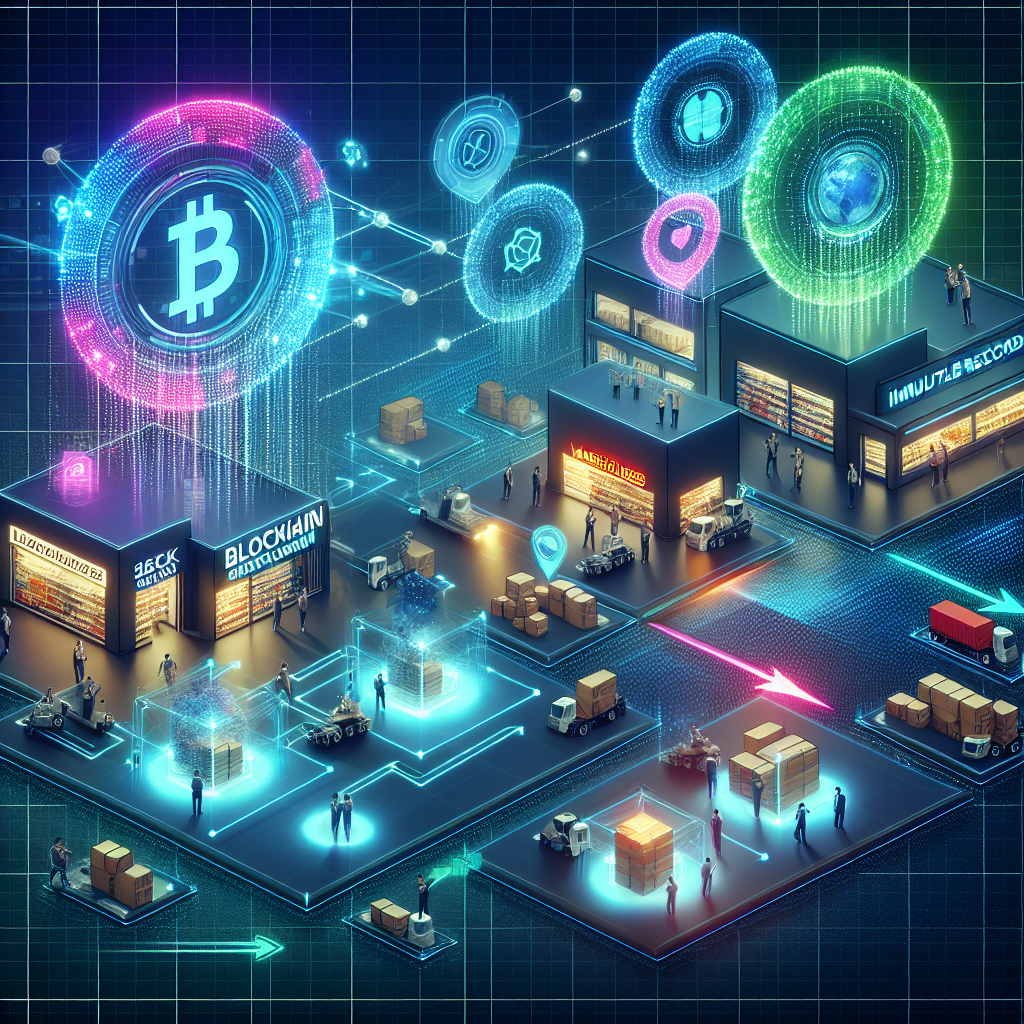
Integrating Blockchain with Existing Retail Systems
Despite the clear benefits, integrating blockchain into existing retail systems poses several challenges. It requires substantial investment in new technologies and training staff to adapt to new processes. Furthermore, the success of blockchain integration largely depends on network effects with all stakeholders agreeing to the system and maintaining the protocol.
One cost-effective approach to integration in small to mid-sized retail operations could start with a pilot project focusing on a single product line to gauge the effectiveness of blockchain in their specific operational context. This approach minimizes risk and allows the company to adapt the technology slowly to their entire supply chain operations.
Fostering Collaboration Between Stakeholders
For effective blockchain integration, stakeholders from various segments of the supply chain must collaborate closely. This involves sharing data that they might previously have considered private, such as supplier information or pricing strategies. Ensuring data privacy while fostering this level of collaboration can be another technological and administrative challenge.
The creation of consortium blockchains, where multiple organizations share the responsibilities of maintaining a blockchain, might be a solution. These specialized blockchains are permissioned and private, which can be programmed with varying degrees of decentralization depending on the members' needs.
Conclusion
As blockchain technology continues to evolve, its potential to transform the retail supply chain becomes more apparent. By offering unmatched transparency, blockchain can help retail businesses reduce fraud, manage inventory better, improve compliance and possibly increase client trust. However, the successful implementation of this technology depends largely on technical and collaborative strategies that encourage participation and openness among all stakeholders.
In the future, retail leaders who harness the power of blockchain effectively are likely to hold a significant competitive edge in terms of efficiency and consumer trust.
Integrating Workwall in the Blockchain Ecosystem
In the quest for enhancing supply chain transparency in the retail sector, blockchain technology has emerged as a revolutionary tool. By leveraging an immutable ledger, blockchain can provide a robust framework for secure, transparent, and efficient transactions. Integrating this technology with Workwall, a dynamic marketplace, could dramatically transform the retail landscape.
Workwall, as a marketplace, acts as an intermediary platform where retailers and suppliers converge to trade goods. Integrating blockchain technology into Workwall’s system would mean each product’s journey can be tracked, from origin to shelf. This is achieved by creating digital records of each transaction or movement of goods that are linked and secured using cryptography, making data alteration practically impossible.
This integration could facilitate a seamless flow of information among all stakeholders—manufacturers, logistics providers, retailers, and even consumers—enabling them to verify the product's authenticity and origin. For instance, a retailer in Workwall’s marketplace can trace a product back to its raw material sources. Consumers could access comprehensive product histories, thus enhancing trust and satisfaction. Moreover, transparency in supply chains could help in identifying and addressing inefficiencies, potentially reducing costs and waste.
Thus, the application of blockchain technology within Workwall could not only streamline operations but also lead to a more ethical and sustainable retail ecosystem, reinforcing commitment to transparency and consumer confidence.
The Road Ahead: Blockchain Empowering Future Retail
The integration of blockchain technology into retail supply chains is no longer a matter of if, but when. As blurring boundaries between digital and physical commerce require quickly adaptable, transparent, and secure systems, blockchain stands out as a beacon of innovation. Retailers adopting blockchain proactively will not only protect their operational bases from common vulnerabilities but will also be pioneering a retail culture that's agile, resilient, and forward-thinking.
Moreover, the IoT and AI advancements are expected to sync seamlessly with blockchain, opening avenues for smarter predictive analytics, automated record-keeping and enhanced customer service through more personal and interactive engagements. Future supply chains will be more than just a linear pathway; they will be dynamic ecosystems that grow smarter by the transaction.
Are You Ready to Make a Change?
The time to harness the unmatched benefits of blockchain in revolutionizing your retail business is now. Embrace blockchain to build stronger, more transparent supply chain operations. With blockchain, let’s pave the way for a retailing future that is not just about transactions, but about building trust and delivering unmatched value.
Contact Us Today to explore how blockchain can redefine your retail operations. Let’s work together to innovate, inspire, and integrate solutions for a seamless and secure tomorrow.