Integrating AI with IoT for Smart City Solutions
Unleashing the Power of AI in the IoT Arena for Smarter Cities
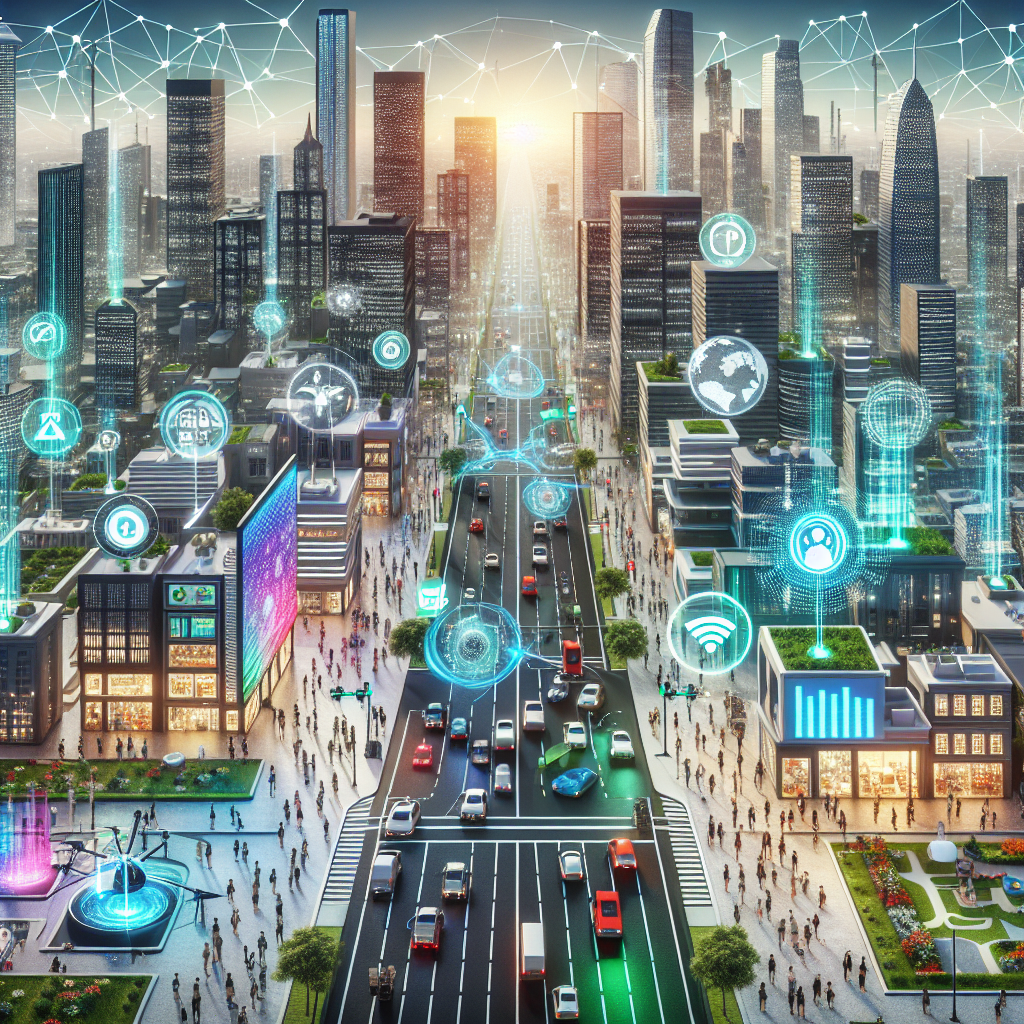
Imagine a city where everything is interconnected, where AI and IoT converge to create a seamless, efficient urban ecosystem. From traffic lights that adjust in real-time to manage rush hour traffic, to public safety systems that predict and prevent incidents before they happen, the fusion of AI with IoT is not just a futuristic dream—it's the here and now. In this blog, we explore how integrating Artificial Intelligence (AI) with the Internet of Things (IoT) is revolutionizing city management and resident experiences, paving the way for smart cities around the globe.
In today's digital era, the integration of Artificial Intelligence (AI) with the Internet of Things (IoT) is revolutionizing the concept of smart cities, leading to enhanced urban life through smarter, more efficient technology solutions. This synergy between AI and IoT is a powerhouse of potential, ready to redefine urban living and provide a more connected, aligned world..
Understanding AI and IoT
AI involves creating intelligent machines that can mimic human-like understanding and problem-solving capabilities, whereas IoT refers to the interconnectivity of physical devices via the internet. When these two technologies converge, they empower devices not just to collect data, but to interpret and act upon it intelligently.
This blend is highly advantageous in the complex, dynamic environment of a city. The connected IoT devices generate massive amounts of data regarding traffic patterns, utility usage, public safety measures, and environmental conditions. AI processes this data, finding patterns and making predictions, and thus enabling effective management of resources.
The Impact on Smart Cities
AI-powered IoT applications can dramatically enhance various facets of urban living. For example, they can optimize traffic management systems, reduce energy consumption, enhance public safety, and improve waste management. These applications do not just improve efficiency but also significantly enhance the quality of life for city dwellers.
Smart Traffic Management
One of the most tangible benefits of integrating AI with IoT in smart cities is in the management of traffic. AI can analyze IoT collected data from traffic sensors, cameras, and GPS systems to manage traffic flow dynamically. By predicting peak times and potential bottlenecks, AI algorithms can help divert traffic, thus reducing congestion and improving commute times, while also decreasing vehicle emissions.
Energy Management
Smart grids are another area where AI-IoT integration is transforming cities. AI algorithms optimize energy distribution and consumption based on real-time data from IoT sensors, installed in both residential and commercial buildings. This not only ensures efficient energy use but also significantly lowers operational costs and minimizes the environmental impact.
Enhanced Public Safety
When it comes to public safety, AI-driven IoT systems can perform real-time analysis of video surveillance, identifying abnormalities and potential threats, triggering alerts, and deploying quick responses. Whether it’s monitoring crowded events or detecting unusual activities, these systems ensure a safer environment for citizens.
Advanced Waste Management
AI enhances waste management in smart cities by predicting waste generation patterns and optimizing routes for collection trucks. IoT sensors can monitor waste levels in containers and relay this data to centralized systems where AI determines the most efficient pick-up routes and schedules, reducing operational costs and improving sanitation.
Barriers to Integration
Despite its vast benefits, the integration of AI and IoT faces several challenges. High on this list is the concern for privacy and data security. With cities becoming increasingly connected, safeguarding sensitive information against cyber threats is crucial. Additionally, the significant investment required for infrastructure development can be a barrier for many cities.
The Future of AI and IoT in Smart Cities
Looking forward, the possibilities of AI integrated with IoT in smart cities are nearly limitless. Innovations like autonomous vehicles, energy-efficient buildings, and smarter health services are only the beginning. As technology advances, these tools will continue to evolve, making urban centers not just places to live, but places to thrive.
For policymakers and urban planners, the key will be to nurture the growth of AI and IoT technologies while addressing regulatory and ethical issues. By doing so, they can ensure that the smart cities of the future offer a sustainable, prosperous, and secure environment for all their citizens.
In conclusion, the integration of AI with IoT for smart city solutions offers a promising path toward a technologically empowered urban future. Although challenges remain, the potential for transformative impacts on everyday life is profound, making this one of the most exciting frontiers in urban development.
This powerful intersection of AI and IoT serves as a beacon of innovation, promising smarter, more efficient, and more responsive cities. As we stand on the brink of this new era, the proactive steps we take today will pave the way for the sustainable urban environments of tomorrow.
Integrating AI with IoT for Smart City Solutions
In the dynamic realm of urban development, the integration of Artificial Intelligence (AI) with the Internet of Things (IoT) presents unprecedented opportunities for crafting smart city solutions. Workwall, a pioneering marketplace, stands at the forefront of this integration, connecting innovative AI developers with IoT device manufacturers and city planners. By leveraging this platform, municipalities can access a streamlined, efficient avenue for transforming urban areas into intelligent, sustainable, and responsive environments.
AI technologies in Workwall’s marketplace offer advanced data analysis capabilities, which are essential for processing the vast amounts of data generated by IoT devices. These devices, spread throughout the city from traffic sensors to pollution monitors, provide real-time, actionable data that AI algorithms can analyze to optimize traffic flows, enhance public safety, reduce energy usage, and improve overall quality of life in urban areas.
The role of Workwall is integral in simplifying the complexity associated with choosing the right combination of technologies. The marketplace facilitates the collaboration of AI and IoT solutions by providing a vetted selection of tools and applications that are compatible and easy to integrate. This ensures the scalability and sustainability of smart city initiatives, allowing city planners to implement more complex systems as the technology evolves and city needs change.
Ultimately, by harnessing the synergy of AI and IoT through platforms like Workwall, cities can become not just smarter, but also more connected and resilient in facing the challenges of urbanization.
The Future of Smart Cities: AI and IoT at the Forefront
As we delve into the era of hyperconnectivity, AI and IoT are poised to redefine urban landscapes. The convergence of these two titanic technologies paves the way for smarter, more efficient, and more responsive cities, transforming everyday urban life. The integration of AI with IoT not only enhances the functionality of smart city solutions but also ensures sustainability and improved quality of life. We stand at the brink of an urban revolution, where technologies like machine learning, real-time data analysis, and interconnected sensors become the building blocks of our cities.
The potential for AI and IoT in urban environments is boundless. In the future, we could see AI-powered traffic systems that dynamically adjust to reduce congestion, IoT-enabled buildings that optimize energy use, and smart public services that adapt to the needs of citizens in real time. The possibilities are further magnified with advancements in AI algorithms and expansions in IoT connectivity, promising more refined and seamless integration in urban infrastructure.
As we continue to innovate and integrate these technologies, the role of developers, urban planners, policymakers, and citizens becomes more pivotal. Collaborative efforts are essential to harness the full potential of AI and IoT in crafting the smart cities of tomorrow. The journey to smarter cities is filled with challenges, but the rewards - a sustainable, efficient, and enhanced urban living experience - are well worth the effort.
Join Us in Building the Future
Are you inspired to be part of this transformative journey? Whether you are a technology enthusiast, a developer, a city planner, or simply someone who dreams of better urban living, your contributions are valuable. Subscribe to our newsletter to stay updated on the latest trends and developments in smart city solutions. Let's embrace the future together and work towards creating cities that are not only smart but also sustainable and human-centric.
Subscribe NowWe invite you to share your thoughts and ideas on how AI and IoT can further enhance our urban environments. Join the conversation on our social media platforms or leave a comment below. Let’s build smarter cities for a smarter future.